


Three Pillars. One Commitment.
People
Planet
Profit
The Sustainability Challenge for Uniforms
While transparency is important for assessing product sustainability, complex global supply chains make full audit trails difficult to achieve. We work closely with accredited suppliers whose standards align with our own. Their certifications help ensure that every part of the product journey meets recognised environmental and ethical benchmarks.
We focus on monitoring major sustainability factors such as chemical use, water consumption, and carbon footprint. Plantbased materials are our preferred choice, where possible, although they also carry risks related to land and water use. We therefore prioritise organic options and continue to explore innovations in recycling, biodegradable alternatives, and circular solutions for polyester.
Fashionizer prioritises transparent sourcing, durable and breathable garments, and a European supply chain that we can visit and audit directly. Although cost can sometimes limit the adoption of the most sustainable options, our commitment remains to choose responsible materials and practices wherever possible.
Ethical Sourcing and Materials
Ethical sourcing sits at the heart of how we work. We collaborate with carefully selected suppliers who uphold fair labour practices and safe working conditions, because genuine quality and genuine luxury should never come at the expense of the people who make it possible.
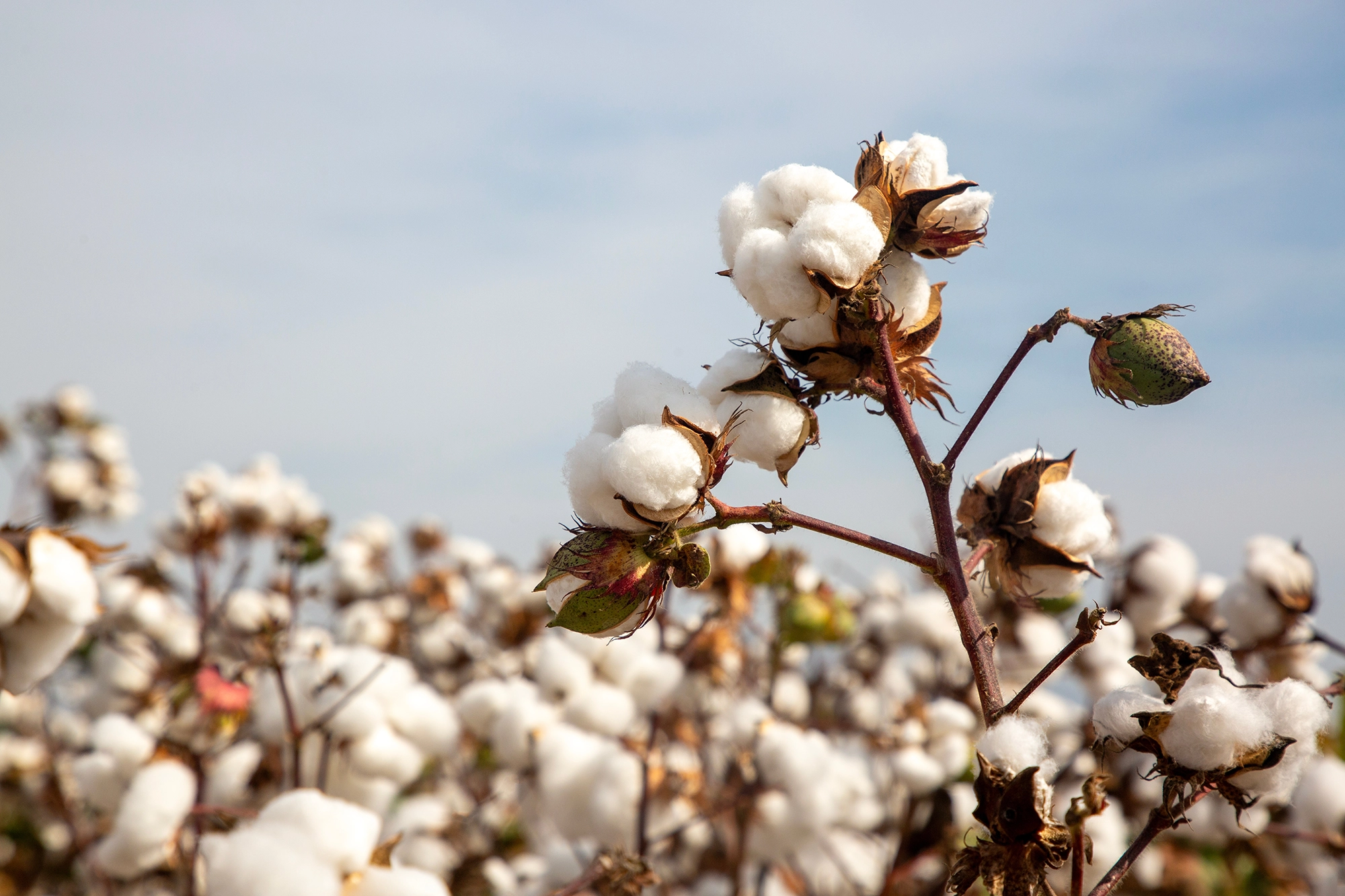
Our sustainable uniform design process begins with choosing the right materials. In luxury hospitality, uniforms must perform and last. Garments that last reduce replacement cycles, minimise waste, and deliver long-term value. That’s why we select organic cotton, linen, wool, lyocell, and recycled polyester; durable, environmentally responsible fabrics chosen for both high performance and lower impact.
Transparency, Certification and Responsible Distribution
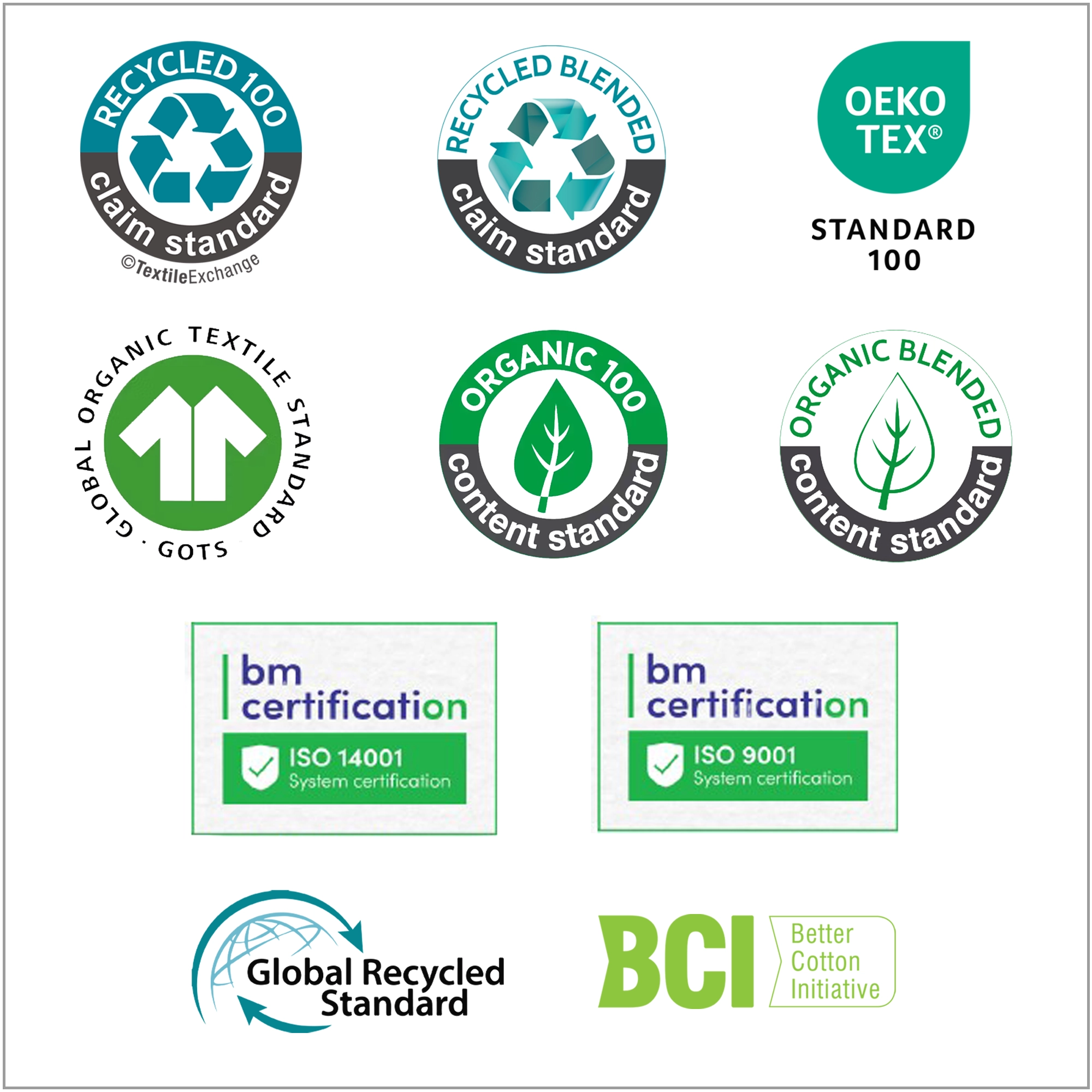
Transparency is central to our approach, and our close relationships with suppliers make it possible. We work only with partners who hold globally recognised accreditations such as GOTS, Oeko-Tex Standard 100, GRS and RWS. Our manufacturing partners also carry ISO 9001 and ISO 14001 certifications, ensuring that quality management and environmental responsibility are embedded in every stage of production — not treated as an afterthought.
Operating from the UK and Europe, we factor geography into every logistics decision to reduce environmental impact. We prioritise lower-carbon packaging and transport, sourcing and manufacturing as close to home as possible and reducing movement from mills to our factories. We ship directly from European sites to nearby clients, use biodegradable packaging, efficient packing, and consolidate shipments to minimise deliveries, reducing costs and overall footprint.
Let’s Create Something Exceptional
Tell us about your project and we’ll guide you through the next steps.